
FinTech Weekly Magazine
-
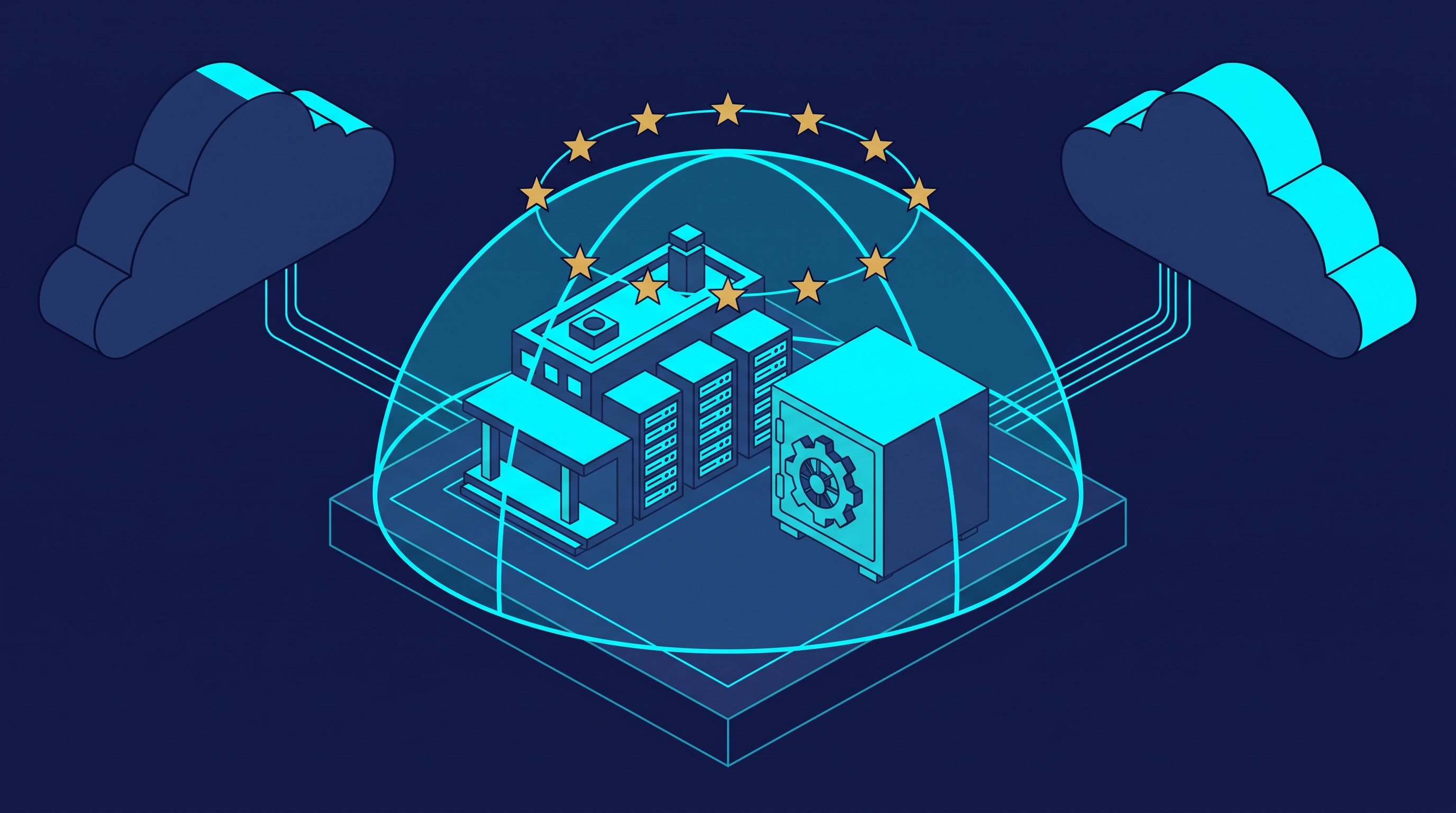 Europe's Fintechs Talk About Sovereignty. Most of Them Still Run on American Clouds.
DORA, the Data Act, a proposed Cloud and AI Development Act, Wero and the digital euro all point in the same direction: Europe wants control over its financial infrastructure. The hard part is that most of its banks and fintechs depend on three US hyperscalers.
Thursday, September 24th 2026
04:05PM -
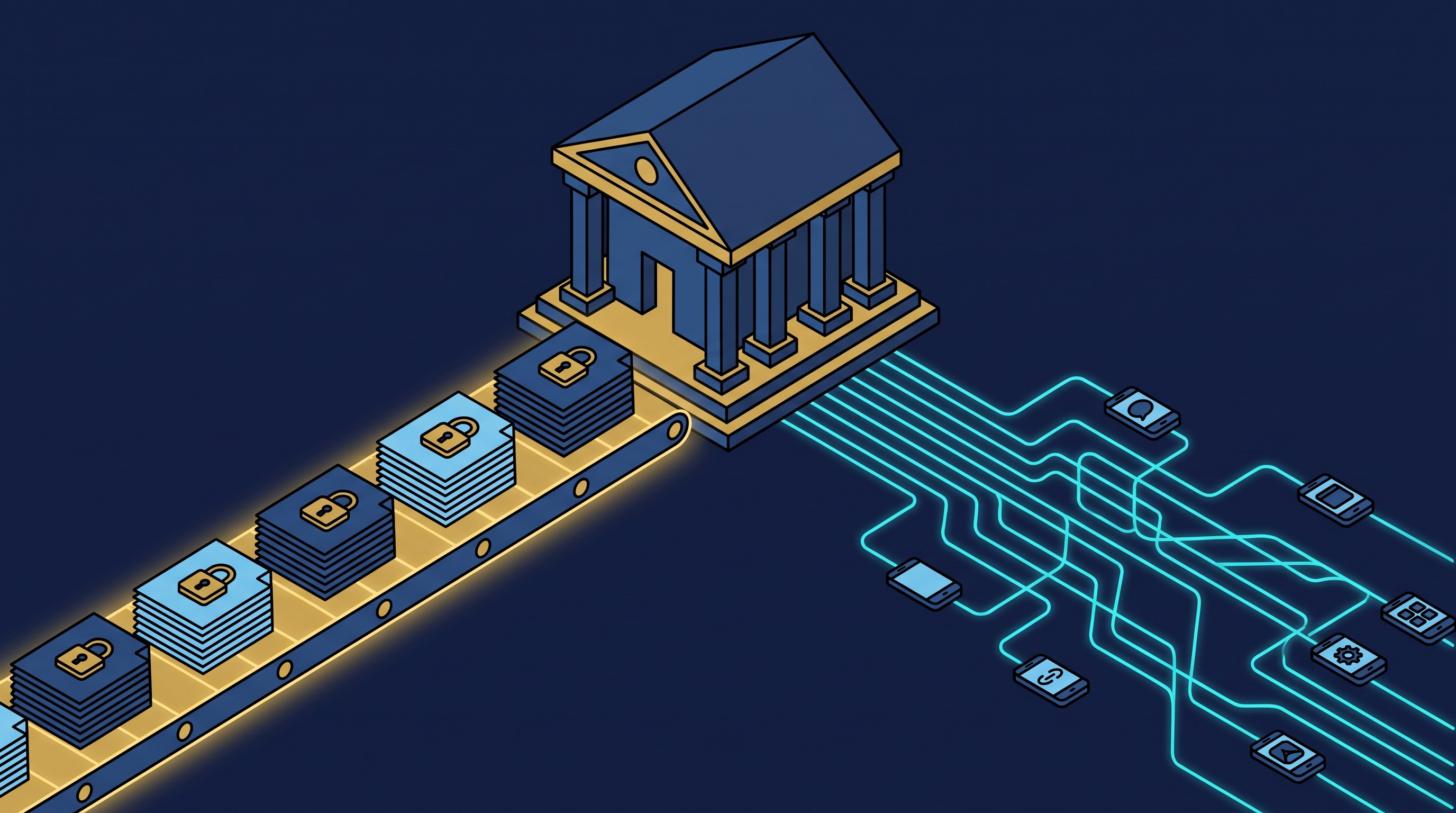 EBICS vs. PSD2: Europe Built Two Bank Interfaces. They Were Never Meant to Compete.
Open banking was supposed to make old bank channels obsolete. Eight years after PSD2, corporates still move their money over EBICS, and the next wave of EU rules (PSD3, the PSR and a slimmed-down FiDA) is more likely to cement that split than end it.
Thursday, September 24th 2026
04:00PM -
 BlackRock Says AI Agents Will Run on Stablecoins. The Agents Have Not Shown Up Yet.
BlackRock's new paper on the "machine-native economy" argues that autonomous AI agents will need stablecoins and tokenised compute. The thesis is dominating fintech feeds this week. The on-chain data tells a more cautious story, and Europe's rulebook adds a twist.
Wednesday, September 23rd 2026
04:25PM -
Branded Article
 Top 5 Crypto Wallets to Buy Your First Bitcoin
Discover the top 5 crypto wallets for beginners in 2026, designed for easy Bitcoin purchases, simple UX, and secure onboarding with card or bank payments.
Thursday, March 19th 2026
04:51PM -
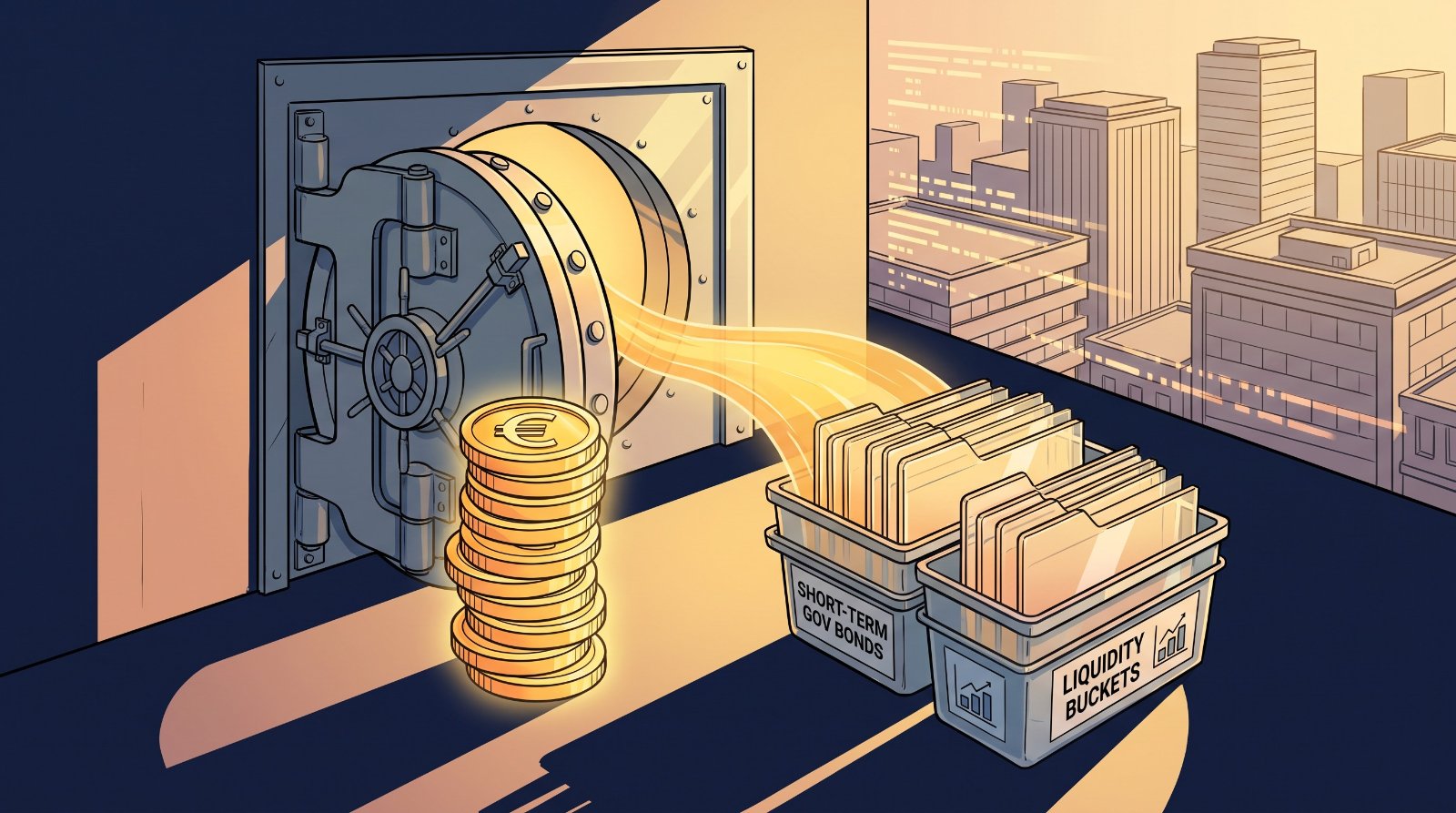 Europe's Central Banks Want Stablecoin Reserves Out of Bank Deposits. Here Is Why.
In their response to the Commission's MiCA review, the ECB and the EU's national central banks ask Brussels to drop the rule forcing large stablecoins to hold 60% of reserves as bank deposits. The reason is financial stability, not crypto friendliness.
Wednesday, September 23rd 2026
10:47AM -
 The ECB Just Answered Tokenisation's Hardest Question: What Do You Pay With?
With Pontes, live since 21 September, banks can settle tokenised securities in central bank money for the first time. The technology is not the story. The story is that Europe has decided the cash leg of on-chain markets should not depend on stablecoins or private deposit tokens.
Wednesday, September 23rd 2026
10:46AM -
 Crypto Headwinds in 2026: Balancing Decentralized Sovereignty with Local Compliance
Crypto regulation is moving from enforcement theatre to infrastructure design — but the legal foundation is still unfinished. As the Clarity Act window narrows before U.S. midterms, builders face a practical choice: wait for Washington, or architect systems that can survive shifting rules, local compliance demands, and future political reversals.
Thursday, May 28th 2026
06:53PM -
Branded Article
 Shaping the Future of Finance: A New Age of Effortless Borrowing
Digital lending is transforming borrowing through online applications, AI underwriting, and mobile loan apps, offering faster approvals, clearer terms, and wider financial inclusion worldwide.
Thursday, December 18th 2025
04:54AM -
 As The World Is Tokenizing Washington Is Running Out of Time to Write the Rules.
The payment rails connecting traditional finance to on-chain assets are already operational. Arthur Firstov argues that builders are waiting for one thing: a statute that tells them what they can carry.
Thursday, May 28th 2026
06:42PM -
 Why Crypto’s Regulatory Gap Is Now an Institutional Problem
Regulatory clarity finally arrived for stablecoins. But the EU and US solved the problem in fundamentally different ways. As MiCA and the GENIUS Act diverge on licensing, custody, and compliance architecture, institutions are discovering that “compliant” in one market doesn’t translate cleanly into the other. The new competitive edge may belong to firms and jurisdictions built to operate between regulatory systems, not inside just one.
Friday, May 15th 2026
02:57PM -
 After Meta and YouTube, Who's the Next Addiction Defendant? Crypto Brokers and Prediction Markets are Lawyering Up
Crypto brokers, leveraged trading platforms, and prediction markets are coming under growing scrutiny as courts begin treating addictive digital products more aggressively following recent rulings against Meta and Alphabet. Critics say many trading apps deliberately use gambling-like mechanics — leverage, gamification, and FOMO — while the vast majority of retail traders ultimately lose money. With regulators and lawyers increasingly focused on financial addiction and consumer harm, the industry could face a major wave of legal challenges.
Tuesday, May 12th 2026
01:28PM -
Branded Article
 Why Venmo Gift Cards Help People Without Credit Cards
Venmo gift cards offer a prepaid way to use digital payments without a credit card. Learn how they work, who they help, and their limits for everyday use.
Monday, December 15th 2025
07:30PM -
 DeFi Is Finally Entering Its Capital Markets Era
Over $12 billion in DeFi liquidity sits idle. Justin Havins argues the industry's TVL obsession is the problem — and capital discipline is what comes next.
Thursday, April 16th 2026
08:32PM -
 Why Merchant Cash Advances Aren’t Loans and Why That Distinction Matters in Court
Learn why merchant cash advances are not classified as loans and how that distinction impacts enforcement and court outcomes in the fintech and legal landscape.
Wednesday, April 15th 2026
04:57PM -
 SWIFT’s Blockchain Will Transform a 50-Year-Old Global Banking System: Understanding the New Tech Stack and Business Opportunities
SWIFT's blockchain shared ledger hits MVP this year. What the new tech stack means for cross-border payments, tokenized deposits, and global banking.
Wednesday, April 15th 2026
12:26PM -
Branded Article
 The Hidden Power of Micro-Savings
Micro-savings turn small, consistent actions into meaningful financial buffers. Learn how tiny deposits influence habits, reduce risk, and support long-term money goals.
Monday, December 15th 2025
06:33PM -
 How Payments Infrastructure Must Evolve for Agentic Commerce
AI agents are initiating purchases autonomously. Ruston Miles explains why payment infrastructure wasn't built for this — and what needs to change now.
Tuesday, April 14th 2026
07:58PM -
 Rethinking Token Value: From Subsidized Supply to Sustainable Accrual
Most blockchain tokens are inflationary and disconnected from real usage. Here's why sustainable token economics are becoming the new institutional benchmark.
Monday, April 13th 2026
08:01PM -
 The Numbers Are In. The Banks' Case for a Yield Ban Just Fell Apart.
A White House report found banning stablecoin yield would add just 0.02% to bank lending. Nic Puckrin explains why the banks' core argument just collapsed.
Monday, April 13th 2026
07:31PM -
Branded Article
 6 Best Digital Payment Platforms for Utility Companies
Discover six leading digital payment platforms for utility companies, covering features, integrations, security, and key considerations for modernizing billing systems.
Tuesday, December 2nd 2025
05:48PM -
 From Locked Liquidity to Working Capital
Billions in Bitcoin and stablecoins sit idle while markets tighten. Julian Mezger makes the case for shifting digital treasury from accumulation to deployment.
Friday, April 10th 2026
08:43PM -
 Cybersecurity for Fintech Companies Working Remotely
Remote work expanded the attack surface for fintech companies. Zachary Amos outlines the core risks and the layered controls distributed teams need to manage them.
Thursday, April 9th 2026
04:38PM -
 Digital credit score and default correlation | Research
Analysis of 6M credit applications shows how digital credit scores predict defaults in real-world lending across fintechs and neobanks.
Tuesday, April 7th 2026
04:34PM -
Branded Article
 Beyond Speed: How Automated Settlement Technologies Improve Compliance in Cross-Border Transactions
Explore how automated settlement technologies improve compliance, transparency, and efficiency in cross-border payments for global businesses.
Wednesday, October 1st 2025
05:08PM -
 Neobanks Didn't Disrupt Banking. They Just Made It Pretty
Neobanks solved usability. They didn't change the underlying architecture. Vikram Arun argues the real disruption is the open earn layer being built beneath them.
Tuesday, April 7th 2026
11:34AM