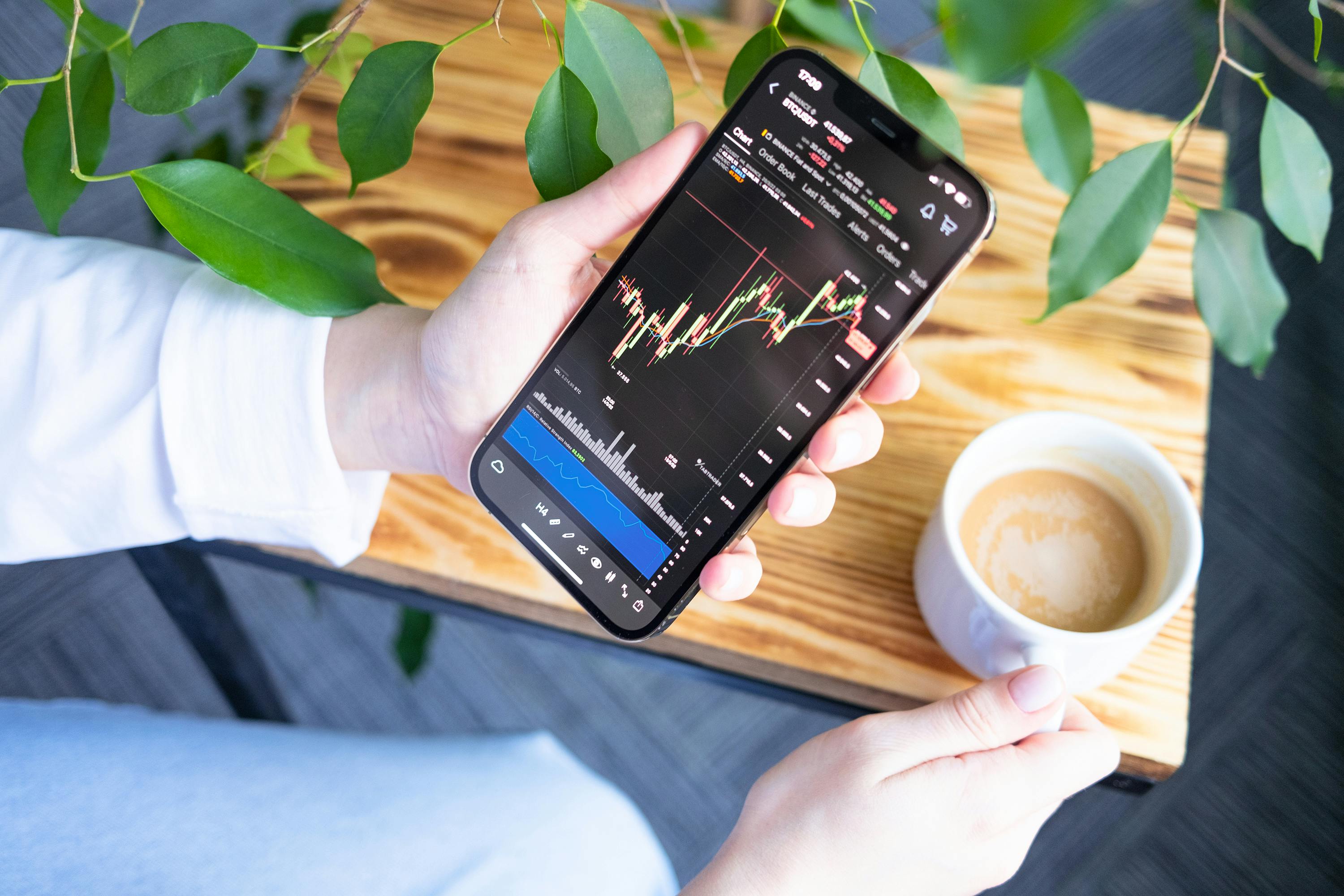
MT4 gives automated trading a practical home. MetaQuotes says the platform lets you develop, test, and apply Expert Advisors and technical indicators, with MetaEditor for building them and a Strategy Tester for testing or optimizing them before live use. Its own help pages define Expert Advisors as MQL4 programs that automate analytical and trading processes, perform technical analysis, and manage trades from signals. Strip away the jargon and the idea is plain enough. You set rules in code, the platform watches price, and the robot handles the routine with fewer lapses than a human at the end of a long week.
That structure is why a forex robot for MT4 still appeals to traders who want a tighter process around XAUUSD and other fast moving instruments. Litepips' system includes backtesting, optimization, performance tracking, detailed reporting, and risk controls such as stop loss and take profit settings. Its users can compare strategies and identify the most effective setups before moving into live conditions. Good automation starts with testing and review rather than explosive action. A robot earns trust through repetition and reliability.
The support MT4 provides is wider than order placement. MetaQuotes says an Expert Advisor can perform operations across symbols or periods, while the built in settings let traders control how those programs run. Automated trading rarely succeeds through prediction alone. It succeeds through stable mechanics. You want entries based on clear conditions, exits tied to fixed rules, and logs you can study after the trade. MT4 supports that loop. The robot reads ticks, checks conditions, sends orders, and keeps the process inside one environment instead of scattering it across three screens and a notebook stained with coffee.
Why this fits the FX market so well
Why this fits the FX market so well
FX markets already moved a long way toward automation. A BIS report on execution algorithms says increased fragmentation and automation have driven wider use of execution algorithms, and that these tools can improve market functioning by making the matching process between liquidity providers and users more efficient. A Bank of Japan review adds that algorithmic trading in FX had risen to about 70 to 80 percent in 2019 on EBS2, a widely used interbank broking system, and found that algorithmic trading helped improve liquidity in normal times in the USD/JPY spot market. While not every retail robot belongs in the pantheon with Wall Street infrastructure, the market itself already speaks machine fluently.
For traders, the appeal is more mundane and more persuasive. A robot can watch a setup at 2 a.m. with the same attention it gives at 2 p.m. It avoids growing sentimental after three wins or impatient after a string of flat sessions. That steadiness is the real support MT4 offers. Its architecture gives traders a place to encode rules, run tests, and let the platform enforce those rules with mechanical calm. The whole thing feels a bit like the pit wall in Formula 1. The driver still matters. The crew still matters. Yet the race gets smoother when somebody keeps the timings exact and the tyres in order.
The limits sit in plain sight
Automation also needs adult human supervision. The BIS report says execution algorithms can create new risks by shifting execution risk from dealers to users, which matters because the user may be less equipped to manage that risk. The FCA adds a sharper retail warning. In its 2025 discussion paper, the regulator said that in 2022 about 80% of customers lost money when investing in CFDs. That is a blunt statistic, and it belongs in any honest discussion of trading robots because a cleaner process doesn't turn leverage into a toy. A robot can improve consistency. It cannot repeal bad risk habits, thin capitalization, or unrealistic expectations dressed up as confidence.
That is why the most useful MT4 robots tend to look less like miracle workers and more like clerks with very fast hands. They watch, calculate, execute, and record. You still decide position size, trading window, market, and tolerance for drawdown. You still decide whether a strategy belongs in a volatile gold market or a quieter currency pair. When those choices are made well, MT4 supports automation in a simple and durable way. It gives the robot a language, a testing bench, and a place to work. For fintech professionals and trading enthusiasts, that is the real advantage. It turns a vague desire for better discipline into a repeatable operating system. And in trading, tidy systems usually age better than grand speeches.