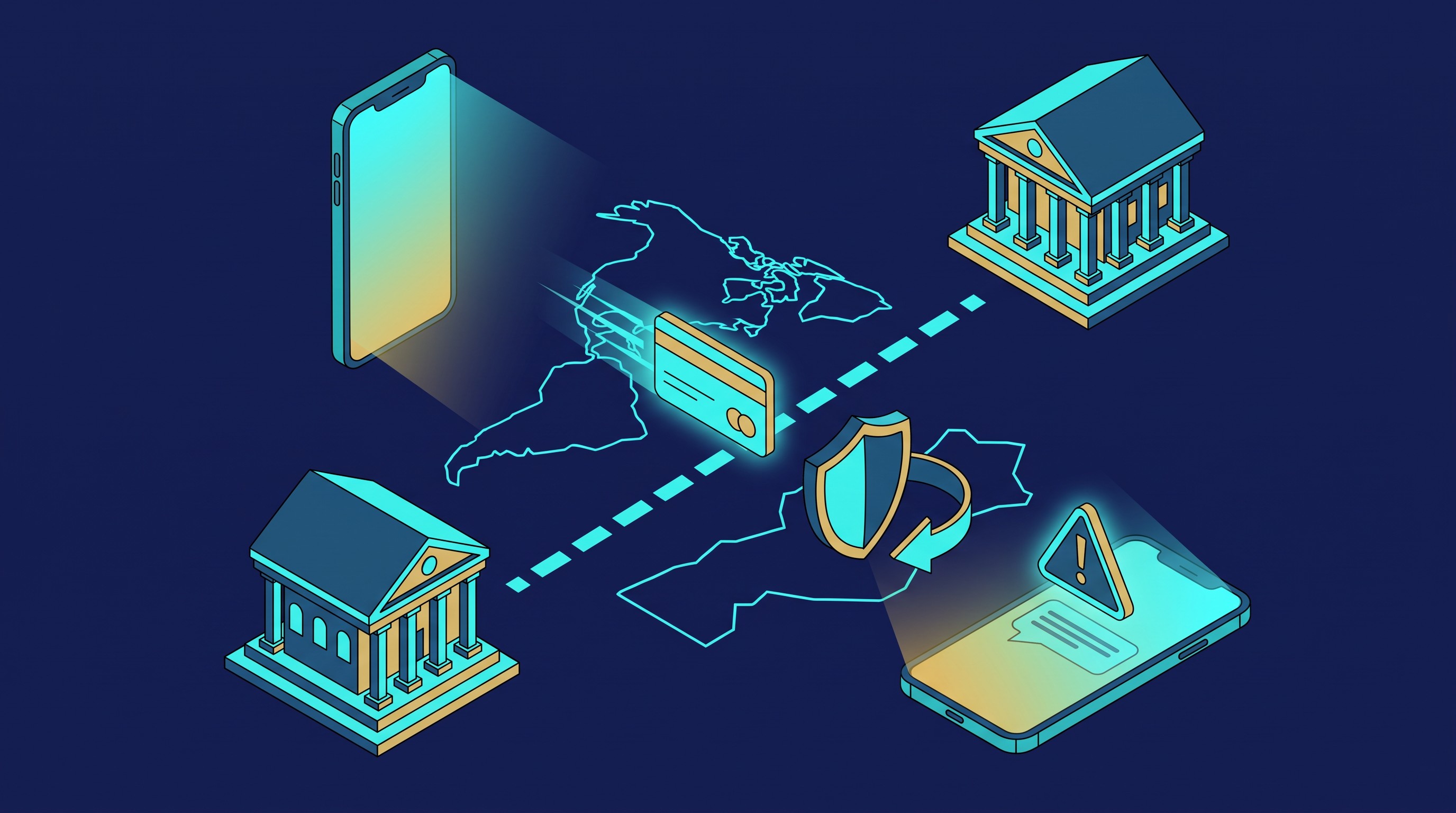
A payment can now arrive in seconds, at almost any hour of the day. For the customer, that may look like a small change: a transfer that used to arrive tomorrow now appears almost immediately.
But the shift beneath the screen is larger. Payment systems are being adapted to operate continuously, while governments, central banks, banks and technology companies debate who can use them, who sets their rules and who carries the risk when something goes wrong.
This is not a single global transformation, and it is not a straightforward replacement of old systems by new ones. It is a long, uneven shift in the infrastructure of money: how it moves, who can access the rails and how public and private institutions share responsibility.
One measure of the change is the spread of fast-payment systems. According to a World Bank blog published in July 2026, people and businesses in 137 countries had access to instant-payment services around the clock as of June 2026. That figure describes access to systems, not how often people use them, whether every payment is instant or whether the systems are connected across borders.
Those distinctions matter. A payment rail can be available without being widely used. A national system can work well domestically while remaining disconnected from its neighbours. And a fast transfer can still be difficult to reverse, expensive to receive or hard to reconcile with a company’s accounting systems.
The next phase of fintech is therefore not just about making payments faster. It is about the institutions, standards and rules that make speed useful and trustworthy.
From products to systems
For much of the past decade, fintech was often told as a story of products: a better wallet, a cheaper transfer, a smoother checkout or a new way to borrow.
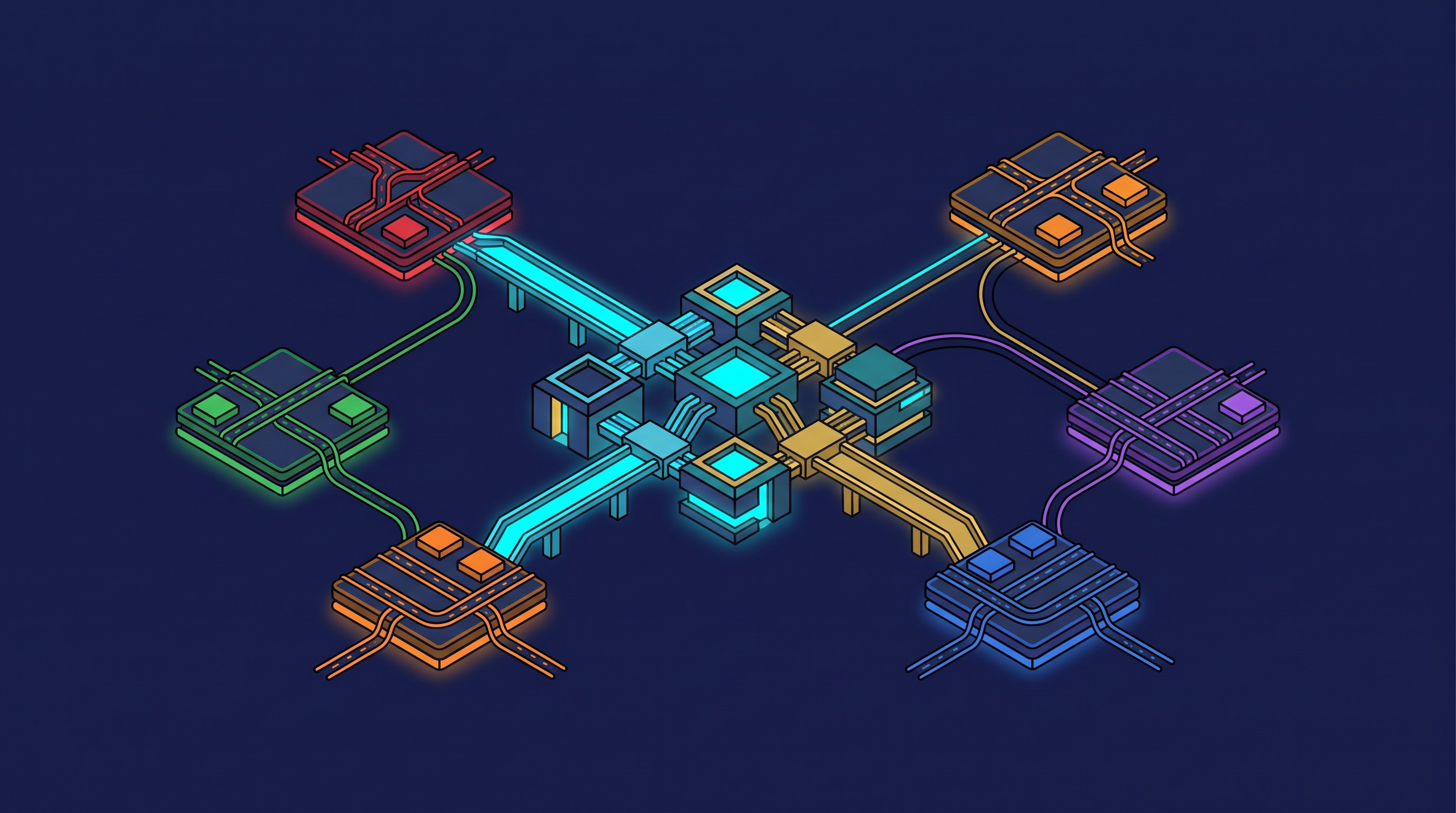
Those products remain important. But their success increasingly depends on systems that customers rarely see. Behind a payment sit the messaging standards, settlement arrangements, identity checks, fraud controls and operating rules that allow institutions to coordinate.
That changes the competitive question. It is not only which company offers the best interface, but which firms can connect reliably to the rails, manage risk in real time and make payments work across different institutions and jurisdictions.
The infrastructure itself is not uniform. Some systems are operated by central banks; others by bank-owned or industry organisations under regulatory oversight. Some countries have built around account-to-account transfers, while card networks and mobile-money services remain central elsewhere.
The public-private divide is therefore not a simple choice between state systems and private innovation. It is a question of which layer each institution operates and who governs the connections between them.
Different models, different histories
The systems now discussed as part of the fast-payment movement emerged over many years and under different institutional arrangements.
The UK’s Faster Payments Service began in 2008. India’s Unified Payments Interface, or UPI, launched in 2016 and was developed by the bank-owned National Payments Corporation of India under Reserve Bank of India oversight. The Clearing House’s bank-owned RTP network went live in the United States in 2017, followed by the Eurosystem’s TIPS settlement service in 2018. Brazil’s Pix, operated by the Banco Central do Brasil, launched in 2020. The US Federal Reserve launched FedNow in July 2023.
These milestones are not a league table. They show that there is no single blueprint for building a fast-payment system.
Some arrangements are public, some are bank-owned and many combine public rules with private operation. Brazil’s Pix illustrates the reach a centrally operated domestic system can achieve. India’s UPI illustrates a different structure: a bank-owned operator provides shared infrastructure under central-bank oversight. In the United States, the bank-owned RTP network and the Federal Reserve’s FedNow service operate alongside existing card and ACH systems.
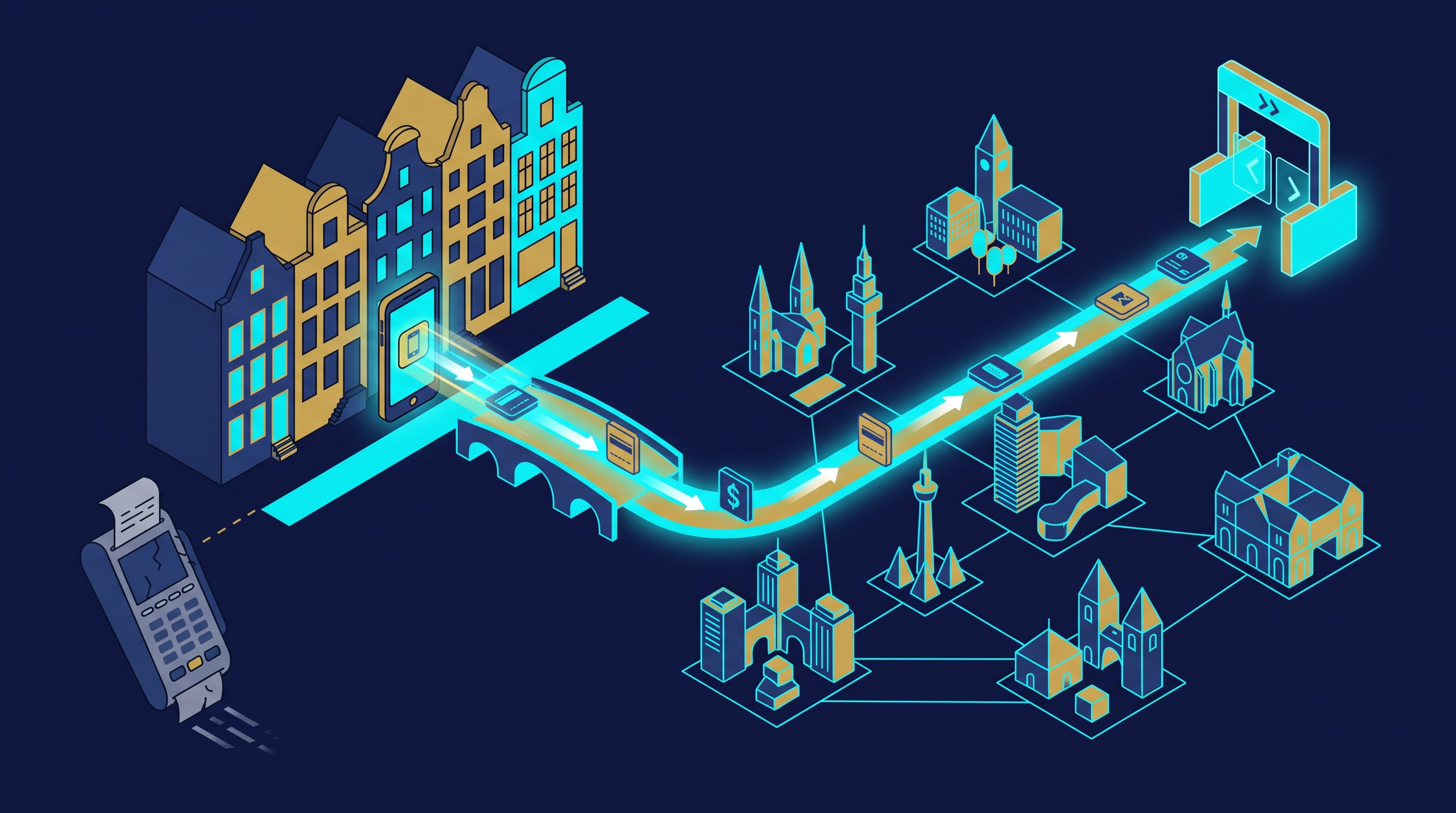
Regional connections are also developing. Singapore’s PayNow and Thailand’s PromptPay were linked in April 2021, while Singapore’s PayNow and India’s UPI were linked in 2023. These arrangements make cross-border transfers between participating systems possible, but they do not create one common regional payment system.
The comparison matters because the label “instant payment” can obscure differences in governance, access, use and recourse. A system can be quick and widely available while still posing hard questions about fraud, privacy, consumer protection and the treatment of errors.
Public infrastructure, private competition
Central banks have built or modernised important parts of payment infrastructure in a number of jurisdictions. Elsewhere, banks or industry bodies operate systems under public oversight. Both models can support private innovation, and both involve trade-offs.
Publicly provided infrastructure can establish common access and settlement arrangements. It can also raise questions about the boundary between an authority’s role as operator, overseer and rule-maker. Private systems may compete and invest, but access, interoperability and resilience still depend on rules that extend beyond any one company.
The competition does not disappear when a shared rail is introduced. It may move to other layers: customer service, fraud prevention, business integration, international reach and the tools that help companies reconcile payments with invoices and accounts.
Europe’s 2026 payments strategy reflects this layered approach. Published on 31 March 2026, the Eurosystem’s strategy covers wholesale, business-to-business, retail and cross-border payments. It connects the development of existing systems with work on the digital euro, tokenised settlement assets and distributed-ledger initiatives.
The strategy also presents central bank money as an anchor of trust and stability, while private settlement assets such as tokenised deposits and regulated stablecoins may complement it in some wholesale applications.
TIPS is one part of this infrastructure. It settles instant payments in central bank money, and since June 2026 its cross-currency service has allowed payment service providers to settle transactions between the euro, the Danish krone and the Swedish krona. The service was successfully tested and formally activated by the ECB, Danmarks Nationalbank and Sveriges Riksbank.
Links beyond Europe are at different stages. The connection between TIPS and India’s UPI is in its realisation phase, covering legal arrangements, technical implementation and market preparation, with a pilot go-live planned for the first half of 2027. The feasibility of connecting TIPS to the multilateral Nexus network is still being assessed.
A public rail is not automatically more inclusive, efficient or resilient than a private one. Nor does private operation guarantee competition or broad access. The important questions are practical: who can participate, how the system is governed, what happens when it fails and whether users have meaningful alternatives.
Regulation shapes the rail
Rules are not simply added after a payment system has been built. They help determine how the system works.
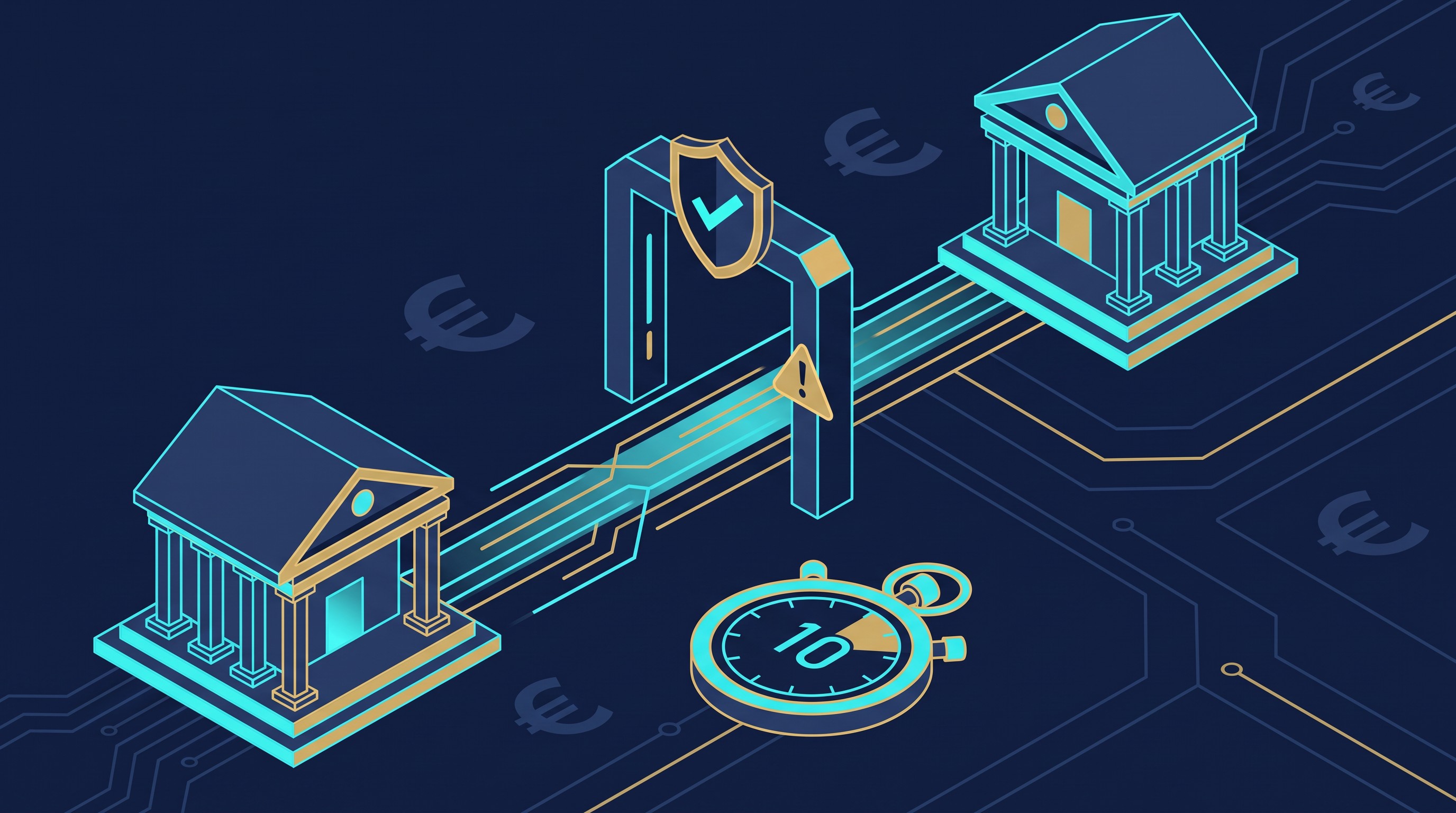
The European Union’s Instant Payments Regulation is one example. It requires payment service providers to offer instant euro transfers and, in the euro area since October 2025, a verification-of-payee check for credit transfers, whether standard or instant. The check allows customers to see before authorising a payment whether the recipient’s name matches the account information. Providers in EU countries outside the euro area follow in July 2027.
Other jurisdictions, including the UK and Brazil, have taken different approaches to fraud and payment recovery, and they allocate risk differently. The UK introduced mandatory reimbursement rules for eligible authorised push-payment scams in October 2024. Brazil has developed a dedicated return mechanism within the Pix system. These approaches are not equivalent: one focuses primarily on reimbursement, another on pre-payment verification and another on scheme-level recovery procedures.
More broadly, regulation helps determine who can use a payment rail, what information accompanies a transaction and what protections apply when a transfer is mistaken or fraudulent.
Standards and interoperability
Connecting payment systems requires more than technical compatibility. Participants need to agree on what payment messages mean, which data they carry and how systems handle exceptions.
ISO 20022 is an international messaging standard intended to support richer, more structured payment information. The CPMI’s harmonised data requirements are part of the G20 programme for improving cross-border payments. They aim to reduce variation in how payment information is formatted and used across systems.
The standard alone does not guarantee interoperability. Systems can use the same messaging language while populating fields differently or applying different rules to the information received.
Better structured data can make compliance, reconciliation and automated processing more efficient. It can also raise questions about privacy, data governance and responsibility. The more information a payment carries, the more important it becomes to decide who may access it, how long it is retained and how it can be used.
The same is true of interoperability. A connection between two systems may reduce friction for users, but it also requires decisions about participant access, foreign exchange, fraud controls, dispute handling and applicable law.
Progress is not completion
The spread of fast-payment systems can suggest that cross-border payments are on the verge of a simple breakthrough. Official assessments are more cautious.
The G20 roadmap aims to make cross-border payments cheaper, faster, more inclusive and more transparent. But the CPMI’s Brief No. 13, published on 27 May 2026 and based on responses from 82 jurisdictions, said that the G20’s cross-border payment targets were unlikely to be fully met by 2027.
That is an important counterweight to the story of rapid progress. New systems do not automatically translate into a better experience for customers or businesses. Implementation takes time; systems need to connect; and the incentives of banks, payment providers and public authorities do not always align.
There are also risks that a speed-focused account can miss. Payment systems must remain available during outages and cyber incidents. Digital services can be harder to use for people without reliable access, appropriate devices or confidence in the technology. Privacy and data governance become more consequential as payment messages carry more information.
Cash also remains part of the wider payments landscape. The Eurosystem’s payments strategy is designed to complement, not replace, its cash strategy.
These issues do not negate the case for fast payments. They help explain why speed is only one measure of whether a system is working well.
What changes for fintech
The infrastructure shift does not mean that fintech is becoming less innovative. It means innovation increasingly depends on the ability to work within systems that are regulated, interconnected and expected to operate continuously.
For a fintech company, the strategic questions may be less about launching a standalone payment feature and more about integration: which systems it can reach, how it handles fraud and compliance, what data it can use and how reliably it can serve customers across different markets.
For banks, the challenge is not just to support new payment rails, but to adapt operations built around older processing cycles. For businesses, instant settlement can affect cash management and reconciliation, but only if the surrounding systems and workflows are ready.
For public authorities, the task is to encourage access and resilience without assuming that one technical or ownership model will suit every market.
The industry’s direction is not settled. National systems may connect more closely, but the CPMI’s assessment makes clear that the G20’s cross-border goals remain difficult to achieve. New settlement technologies may coexist with existing rails rather than replace them. Public infrastructure may enable private services while also raising hard questions about governance and concentration.
That uncertainty is part of the story, not a reason to overstate the outcome.
The lasting change may be that payment systems are becoming a more visible part of fintech competition: not simply the machinery behind a product, but a contested layer where access, trust and economic power meet.
What to watch
The next phase will be measured less by announcements than by implementation.
The planned TIPS-UPI pilot in the first half of 2027 will show whether a European settlement platform and India’s UPI can move from design to a functioning cross-border connection. The EU’s Instant Payments Regulation will also reach important deadlines in 2027, including the July deadline for instant payments and verification of payee in member states outside the euro area.
At the same time, the G20’s 2027 cross-border payment targets will provide a test of whether better domestic systems, common data standards and new interlinking arrangements have produced measurable improvements for users. The CPMI’s current assessment suggests that the targets will not be fully achieved on schedule.
The outcome is unlikely to be one global payment rail. More likely, it will be a collection of national and regional systems connected by agreements that remain largely invisible to customers. Their quality will be judged by practical results: cost, speed, transparency, access and the ability to resolve problems when payments go wrong.
This article was researched and written with AI assistance and reviewed for factual accuracy before publication.